Charting Player Progression Routes in Sweden's Regulated Online Casino Ecosystem
Clara Krüger · Aug 25, 2026
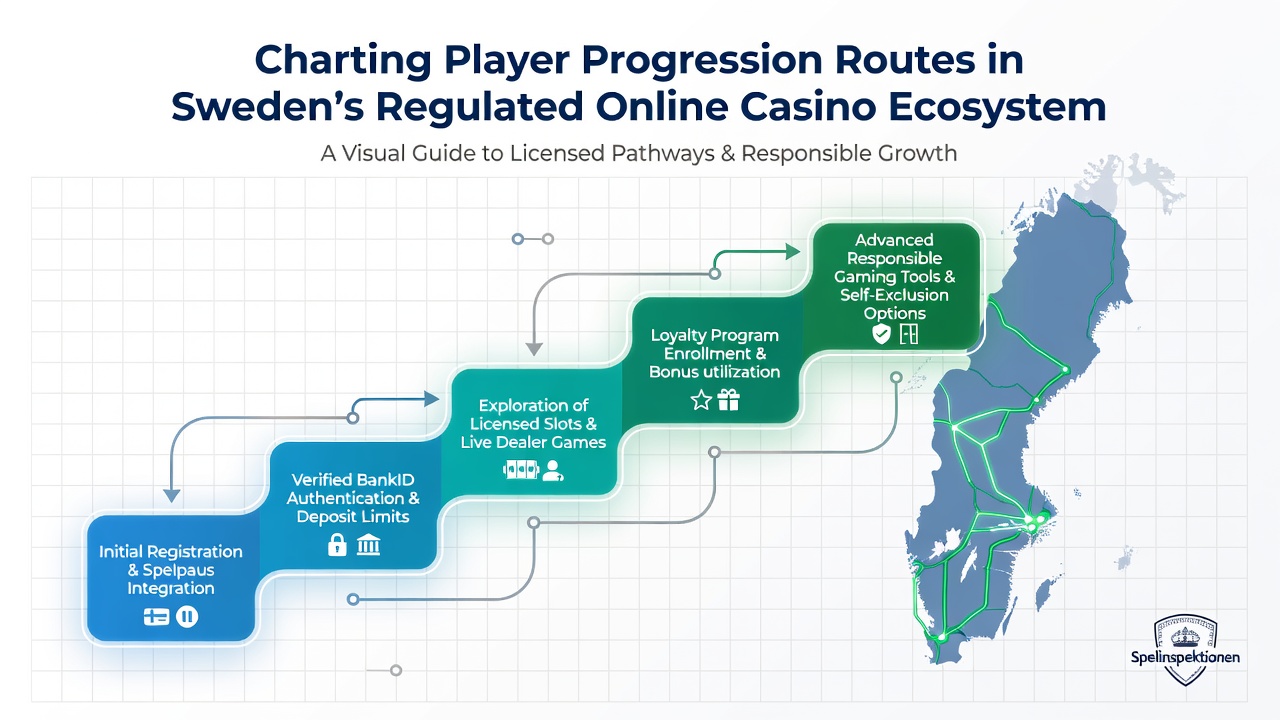
Charting Player Progression Routes in Sweden's Regulated Online Casino Ecosystem
Sweden's regulated online casino market operates under the oversight of Spelinspektionen which establishes clear frameworks for how operators structure player advancement systems and account monitoring protocols. Players enter these environments through licensed platforms that record activity from initial registration onward and these records feed directly into progression mechanisms that determine access to higher tiers and associated features. Data from regulatory filings shows consistent growth in registered accounts with monthly active users tracked through centralized reporting systems that went into effect after the 2019 re-regulation and continue to evolve with updates scheduled for August 2026.
Regulatory Foundations Shaping Advancement Systems
Spelinspektionen requires every licensed operator to maintain transparent records of player activity which includes deposit patterns, game participation and time spent on site and these metrics form the basis for progression calculations across most platforms. Operators must publish the rules governing point accumulation and tier elevation so that account holders can review requirements without ambiguity and this obligation stems from the Gambling Act provisions that emphasize consumer protection through information access. Those who examine compliance reports note that platforms integrate automated tracking tools to calculate progression in real time while ensuring that no promotional mechanics override the regulated structure.
Mapping Core Progression Pathways
Entry-level accounts begin with basic verification steps that unlock standard gameplay and initial tracking of activity points and many operators align these early stages with minimum thresholds before any tier benefits activate. As activity accumulates the systems shift players into intermediate levels where features such as customized game recommendations and priority support channels become available yet these transitions follow predetermined formulas rather than discretionary decisions. Research indicates that progression speed varies by individual engagement levels with data sets from 2024 and 2025 revealing average timelines of three to six months for movement from entry to mid-tier status across the regulated segment.
Advanced routes incorporate additional layers such as milestone achievements tied to specific game categories or cumulative wagering volumes and these pathways appear in operator documentation that players can access through account dashboards. Observers note that August 2026 updates will introduce standardized reporting formats for progression metrics which aim to improve cross-platform comparability without altering the underlying calculation methods used by individual licensees.
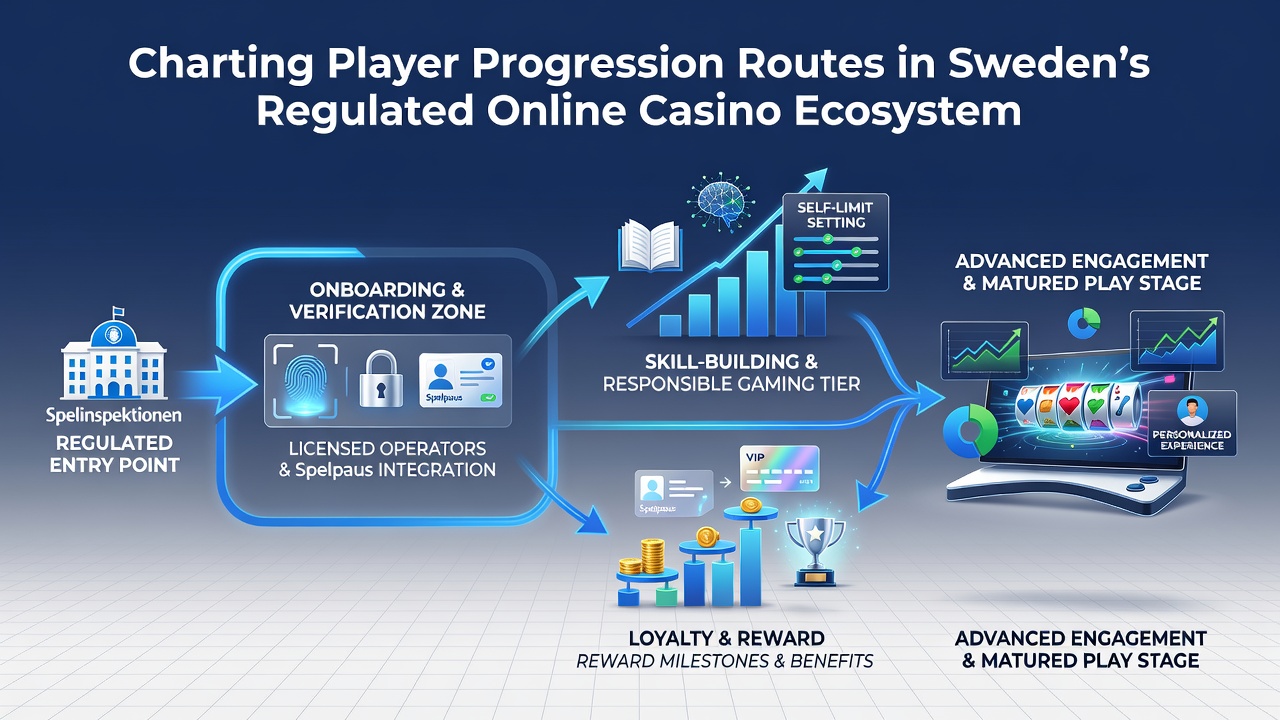
Integration of Tracking Technologies and Data Standards
Operators employ secure databases that log every transaction and session detail and these repositories supply the raw inputs for algorithms that calculate progression eligibility on a continuous basis. External audits verify the accuracy of these systems at regular intervals and findings from such reviews feed into annual compliance submissions to Spelinspektionen. One study conducted by a Nordic research consortium examined data from multiple licensed sites and identified that automated alerts notify account holders when they approach the next tier threshold which reduces instances of delayed recognition.
Comparative Structures Across Licensed Operators
While core requirements remain uniform under regulation each operator implements distinct point weighting schemes that reflect their game portfolio and target demographics and these variations create multiple routes that players can evaluate before committing to a platform. Figures released through industry associations show that average progression rates differ by less than 15 percent across the top ten licensed operators when measured by time to first tier elevation. Those reviewing public license conditions see explicit clauses that prevent any single operator from offering progression advantages outside the regulated parameters.
Conclusion
Player progression routes in Sweden's regulated online casino ecosystem rest on standardized tracking protocols and transparent rule sets enforced by Spelinspektionen with ongoing refinements planned for August 2026. Account activity data drives tier advancement across all licensed platforms and these systems operate within a framework that prioritizes verifiable metrics and consumer access to information. Continued regulatory updates will maintain consistency while allowing operators room to differentiate their specific advancement structures.