How Mobile Accessibility Reshapes Entry Points Into Regulated Nordic Promotion Structures
Clara Krüger · Aug 23, 2026
How Mobile Accessibility Reshapes Entry Points Into Regulated Nordic Promotion Structures
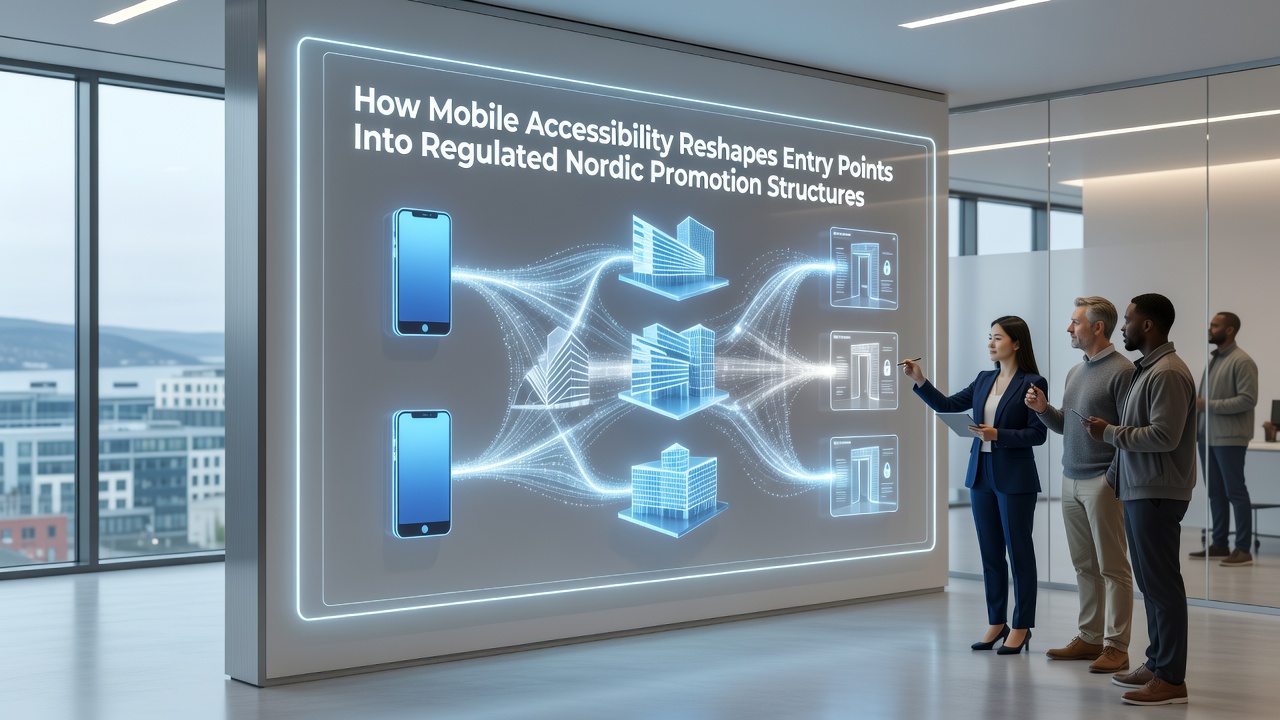
Regulated markets across the Nordic region have seen mobile devices become the primary gateway for accessing promotional structures, and this transition stems from widespread smartphone adoption combined with updated licensing frameworks that emphasize digital compliance. Data from the Swedish Gambling Authority indicates that over 85 percent of player interactions with bonus systems now occur through mobile channels as of early 2025, which has prompted operators to redesign registration flows and verification processes specifically for smaller screens.
Regulatory Foundations in Nordic Markets
Each Nordic country maintains distinct licensing regimes that govern how promotions reach players, yet mobile accessibility introduces shared technical requirements across borders. The Danish Gambling Authority requires real-time identity checks through mobile apps, and similar standards appear in Norwegian and Finnish frameworks where operators must integrate bank ID solutions directly into mobile interfaces. These rules create entry points that favor platforms capable of handling instant authentication without desktop fallback options.
Operators adjust their promotion structures to meet these demands, and mobile-first designs allow seamless delivery of welcome bonuses and loyalty rewards while maintaining full compliance. Research from the Nordic Betting and Gaming Council shows that markets with strict mobile verification protocols report higher retention rates for regulated promotions because users complete onboarding steps on the same device they use for daily access.
Mobile Usage Patterns and Promotion Delivery
Statistics compiled by national regulators reveal that Finnish players spend an average of 47 minutes per session on mobile gambling applications, and this duration supports more complex promotion structures such as tiered loyalty programs that unlock through in-app activity tracking. Swedish data mirrors this trend, with mobile sessions accounting for the majority of no-deposit free spin redemptions during peak evening hours.
Entry points have evolved from simple web banners to integrated push notifications and app-based dashboards that surface personalized offers based on previous mobile behavior. Observers note that operators in August 2026 will face updated reporting deadlines requiring detailed logs of how mobile users first encounter regulated promotions, which will further standardize these digital pathways.
Technical Adaptations by Licensed Operators
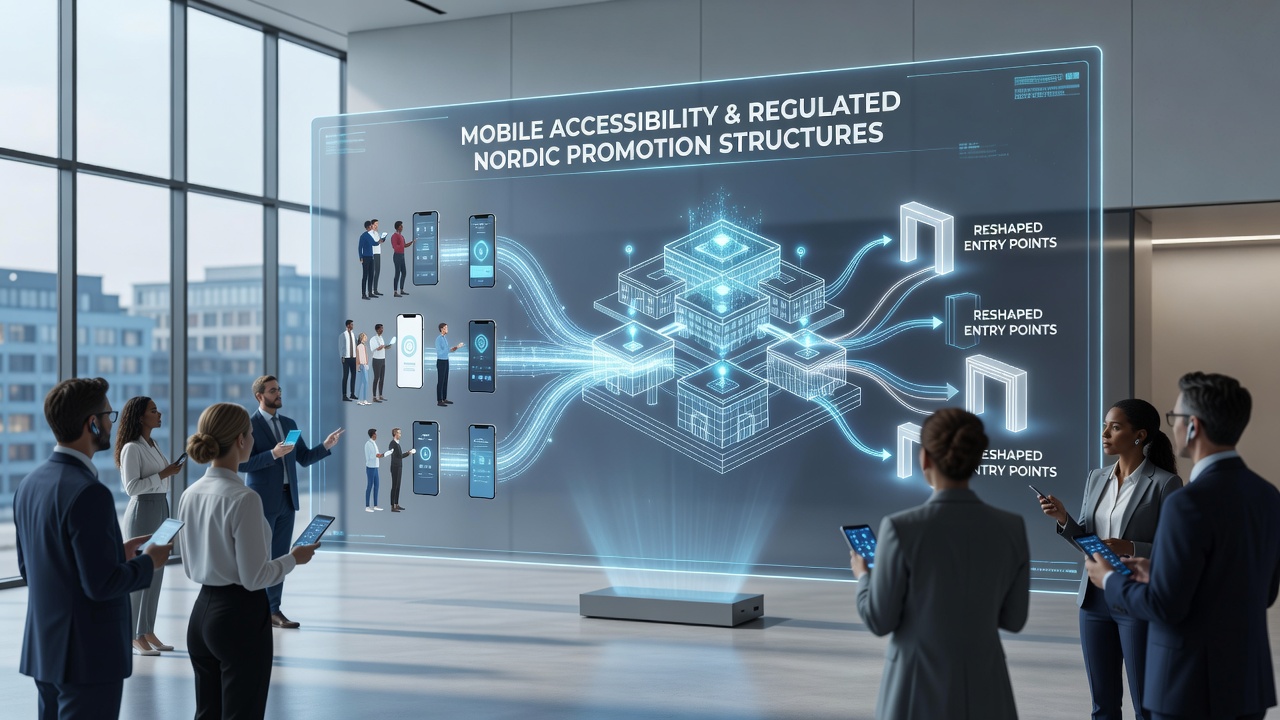
Licensed entities have invested in responsive interfaces that maintain identical bonus eligibility rules whether accessed via app or browser, and this consistency prevents fragmentation that could violate cross-border advertising restrictions. The Norwegian Lottery Authority has documented cases where mobile-optimized verification reduced drop-off rates during promotion claims by nearly 30 percent compared to desktop flows.
People who study these systems find that geofencing combined with device fingerprinting now serves as a standard entry control mechanism, ensuring that only users within regulated jurisdictions encounter promotion structures. Academic analyses from Copenhagen Business School highlight how such technologies integrate with existing player account management systems without requiring separate desktop portals.
Future Developments Around August 2026
Scheduled regulatory reviews in August 2026 will examine whether current mobile accessibility standards sufficiently protect against unauthorized promotion access, and preliminary drafts suggest additional requirements for two-factor authentication embedded directly in promotion claim buttons. Industry reports from the European Gaming Association indicate that operators are already testing biometric login options to prepare for these potential changes.
Cross-platform data sharing agreements between Nordic regulators continue to expand, which means mobile entry points must now log user journeys in formats compatible with multiple national databases. This development affects how promotions are structured because operators need unified tracking systems that work across Swedish, Danish, and Finnish mobile environments simultaneously.
Conclusion
Mobile accessibility has become the dominant factor shaping how regulated Nordic promotion structures reach eligible players, and ongoing regulatory updates ensure these digital pathways remain secure and compliant. National authorities continue to refine technical standards while operators adapt their systems to deliver consistent experiences across devices. The period leading into August 2026 will likely bring further alignment between mobile technology requirements and licensing conditions across the region.